Start with the free 5-Step Credit Blueprint
Before you read on: the free Blueprint shows you how to read your report, document inaccuracies, and prepare an organized dispute. Educational guide only — no deletions or score changes are promised.
Get the Free BlueprintYou've taken the crucial step of disputing an error on your Equifax credit report, a proactive move toward financial wellness. Now, the natural next question is: How do I equifax check dispute status? Understanding where your dispute stands is key to managing your expectations and planning your next actions. This guide is designed to empower you with the knowledge to monitor your Equifax disputes effectively, offering a clear roadmap to tracking progress and interpreting results, all within the framework of responsible credit education.
📘 Free Resource
Not sure what's hurting your credit profile?
Download the free Credit Blueprint and learn the key areas to review before applying for funding.
Get the Free Blueprint →Disputing inaccurate information on your credit report is a fundamental right. It's a critical component of ensuring your credit history accurately reflects your financial behavior. Whether you're aiming to remove collections from credit report, address identity theft, or correct a simple data entry error, the dispute process requires diligence. Knowing how to efficiently check the status of your dispute can alleviate anxiety and provide actionable insights into your credit repair journey.
Why Regularly Checking Your Equifax Dispute Status Matters
Monitoring your dispute isn't just about curiosity; it's a strategic part of credit management. Each update, or lack thereof, can inform your next steps. Timely follow-ups are essential to ensure your dispute doesn't fall through the cracks or get delayed unnecessarily.
Understanding the Dispute Timeline
By law, Equifax generally has 30 days (or sometimes 45 days, depending on new information provided during the dispute) to investigate your dispute once they receive it. However, this clock doesn't start ticking until they acknowledge receipt of your dispute. Regularly checking the status helps you track this timeline.
Empowering Your Credit Repair Efforts
Knowing the status empowers you. If an item is verified as accurate, you might need to explore different strategies. If it's deleted, you can celebrate a win. This knowledge allows you to use tools like a credit score simulator more effectively, as you'll have a more accurate picture of your report.
How to Check Your Equifax Dispute Status Online
Equifax provides several convenient ways to check the status of your dispute, with their online portal being the most common and efficient method. This digital approach often provides the quickest updates.
Step-by-Step Guide to the Equifax Online Portal
- Visit the Official Equifax Website: Navigate to www.equifax.com. Be sure you're on the official site to protect your personal information.
- Locate the Disputes Section: Look for sections labeled 'Dispute a Report Item,' 'Dispute Credit Report Information,' or 'Check Dispute Status.' These are often found in the 'Credit Report & Score' or 'Help & Support' areas.
- Log In or Create an Account: If you already have an Equifax account (perhaps from requesting a free annual credit report), log in. If not, you'll need to create one. This usually involves providing your personal details, such as your name, address, date of birth, and Social Security Number, for identity verification.
- Access Your Dispute History: Once logged in, there should be a dedicated section or link for 'Dispute Status,' 'My Disputes,' or 'View Disputed Items.' Click on this to see a list of your open and closed disputes.
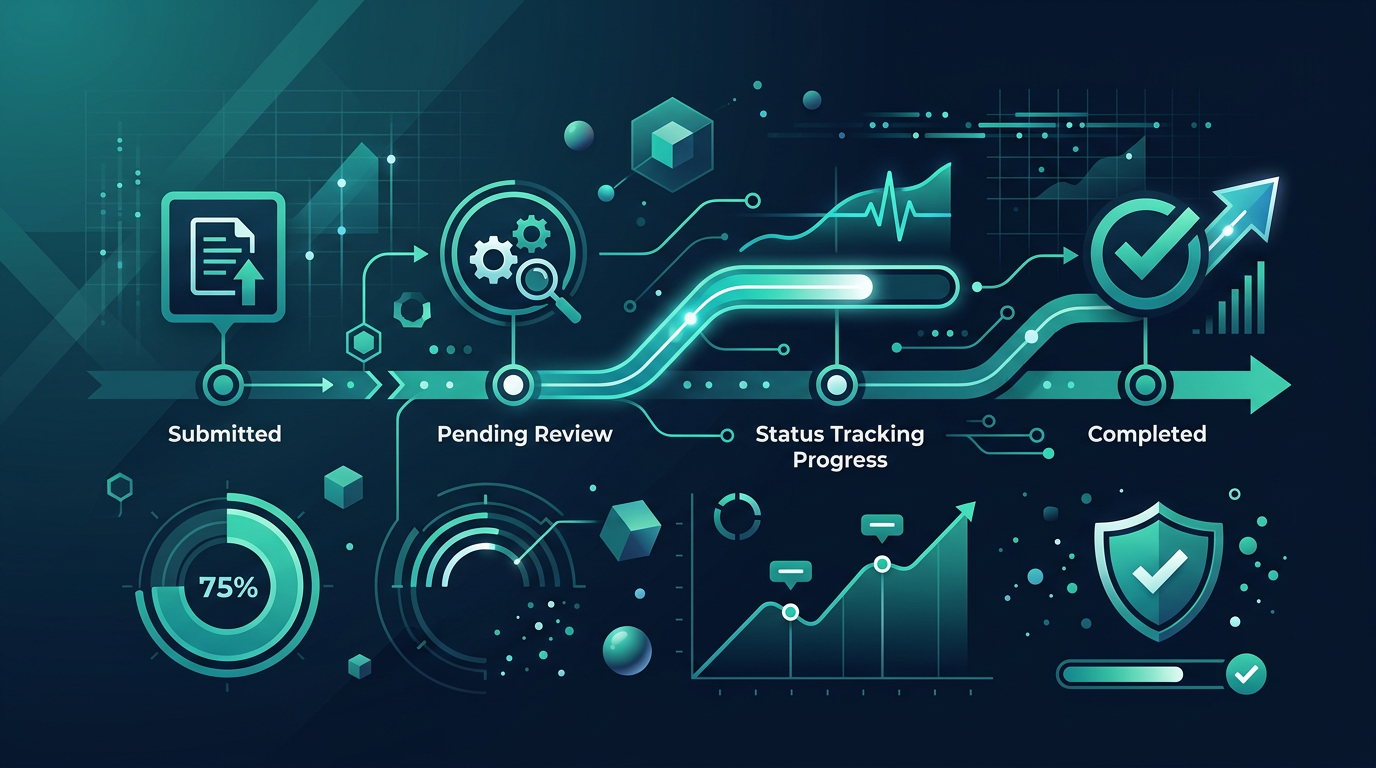
- Review the Status: Each disputed item will typically show its current status. Common statuses include:
- Received: Equifax has received your dispute and the investigation process has begun.
- In Progress/Under Investigation: The dispute is actively being investigated.
- Completed/Closed: The investigation has concluded, and results are available.
- Pending Action: Sometimes indicates Equifax is awaiting further information from you or the furnisher.
What Information You'll Need
When checking online, you'll generally need your login credentials. If you're disputing for the first time or creating an account, have your personal identifying information readily available to verify your identity. This is a crucial security measure.
Alternative Methods to Check Dispute Status
While the online portal is often the most convenient, Equifax offers other avenues for checking your dispute status, which can be useful if you prefer traditional methods or encounter technical issues online.
Checking via Mail
If you initiated your dispute by mail, Equifax will typically send you updates and results via mail as well. Keep an eye on your physical mailbox for official correspondence from Equifax. This method is slower, but still valid. Ensure your mailing address on file is current.
Checking via Phone
You can also call Equifax's customer service line to inquire about your dispute status. Be prepared for potentially longer wait times, and have all your personal information, including any dispute confirmation numbers, ready. The customer service representative will need to verify your identity before providing any information.
- Equifax Customer Service Number: This number can usually be found on their official website under 'Contact Us' or on any correspondence you've received from them.
- Be Prepared: Have your full name, address, date of birth, Social Security Number, and any dispute reference numbers handy.
🎯 Quick Check
Not sure where your credit stands?
Take our free 2-minute Credit Readiness Quiz and get personalized next steps.
Take the Quiz →Understanding Dispute Outcomes and Next Steps
Once your dispute is resolved, Equifax will provide you with the results. It's important to understand what these outcomes mean for your credit report and what your subsequent actions might be.
Common Dispute Outcomes
- Information Deleted: The disputed item was found to be inaccurate or unverifiable and has been removed from your credit report. This is generally the most favorable outcome.
- Information Corrected: The disputed item was found to contain errors, and Equifax has updated it with accurate information.
- Information Verified: The furnisher (e.g., creditor, collection agency) provided information that verified the accuracy of the item, and it remains on your report as is.
What to Do After Receiving Results
- Review Your Updated Report: Even if Equifax sends you a letter, always pull a fresh copy of your credit report (you are entitled to a free report every 12 months from each bureau via AnnualCreditReport.com) to ensure the changes have been implemented correctly.
- If Deleted/Corrected: Congratulations! The process worked. Keep monitoring your report to ensure the item doesn't reappear. Consider using a credit score simulator to see the potential impact of this change.
- If Verified: Don't be discouraged. A verified status doesn't mean the item is necessarily 100% accurate or that your journey ends here.
- Re-dispute with More Information: If you have additional evidence or a different argument, you can dispute the item again.
- Goodwill Letter: For collections or late payments, you might try sending a goodwill letter to the original creditor asking for removal based on your good payment history otherwise.
- Pay-for-Delete (with caution): For collections, some collection agencies might agree to remove the item if you pay the debt. Always get this agreement in writing before making any payment.
- Add a Statement of Dispute: If you firmly believe the information is incorrect but it was verified, you have the right to add a brief statement (100 words or less) to your credit file explaining your side of the story. This won't remove the item, but it will be visible to anyone pulling your report.
Proactive Strategies for Effective Disputing
While checking your dispute status is reactive, there are proactive measures you can take to make your disputes more effective from the outset, increasing the likelihood of a positive outcome and potentially helping to remove collections from credit report.
Before You Dispute: Gather Your Evidence
Never dispute an item without solid evidence. This could include:
- Bank statements or canceled checks proving payment.
- Letters or emails from creditors acknowledging errors.
- Police reports for identity theft.
- Contracts or agreements showing different terms.
- Any documentation that contradicts the information on your credit report.
Be Specific in Your Dispute
Clearly identify the inaccurate item, the specific information that is wrong, and why you believe it's inaccurate. Generic disputes are less likely to yield favorable results.
Keep Detailed Records
Maintain a file of all correspondence related to your dispute, including:
- Copies of your dispute letters.
- Proof of mailing (certified mail, return receipt requested).
- Any letters or notices received from Equifax or the creditor.
- Dates and details of phone calls (who you spoke to, what was discussed).
Consider All Three Bureaus
Remember that Equifax is one of three major credit bureaus (Experian and TransUnion being the others). An error on one report may or may not appear on the others. It's often necessary to dispute the same inaccurate information with all three bureaus if it appears on each of their reports.
Key Takeaways: Empowering Your Credit Journey
Mastering how to equifax check dispute status is a fundamental skill in effective credit management. It's not just about waiting for a letter; it's about active participation in maintaining the accuracy of your financial narrative.
- Regular Monitoring is Crucial: Check your online Equifax portal frequently for updates on your disputes.
- Understand the Timeline: Be aware of the 30-45 day investigation period.
- Know Your Options: Utilize online, mail, or phone methods for checking status based on your preference and situation.
- Interpret Results: Understand what 'deleted,' 'corrected,' and 'verified' mean for your credit report.
- Follow Through: If an item is verified but you still believe it's wrong, explore re-disputing, goodwill letters, or adding a statement of dispute.
- Be Prepared: Always dispute with evidence and keep meticulous records of all communications.
By diligently tracking your disputes and understanding the process, you take significant steps towards a healthier credit profile. While we provide educational guidance on these processes, individual results can vary, and credit repair requires consistent effort and informed decision-making. Your journey to an accurate credit report is a marathon, not a sprint, and every informed step you take brings you closer to your financial goals.
Beyond Disputes: Ongoing Credit Health
Once you've addressed inaccuracies, maintaining a healthy credit report involves consistent positive financial habits. This includes paying bills on time, keeping credit utilization low, and only applying for new credit when necessary. Utilizing tools like a credit score simulator can help you project the impact of various financial decisions on your score, allowing for more strategic planning.
Remember, your credit report is a dynamic document. It requires ongoing attention and, occasionally, intervention through the dispute process. Armed with the knowledge of how to check your Equifax dispute status, you're better equipped to navigate this essential aspect of your financial life. Continuously educating yourself on credit best practices is the most powerful tool you have for achieving and maintaining strong credit.
📘 Free Resource
Not sure what's hurting your credit profile?
Download the free Credit Blueprint and learn the key areas to review before applying for funding.
Get the Free Blueprint →Educational content only. This article is for general credit education and is not legal, financial, or tax advice. Outcomes vary based on individual circumstances. We do not guarantee removals, deletions, or specific score increases. Read our editorial policy.
Get the Free Credit Repair Blueprint
Our step-by-step system covers dispute scripts, utilization hacks, and the exact playbook to reach 700+.
Download Free BlueprintWhat's Your Next Move?
Whether you're just starting or ready to accelerate, we have the right resource for you.
Recommended Next Steps
Choose the path that fits your credit goals.
Free Credit Repair Blueprint
Step-by-step system to dispute errors, optimize utilization, and reach 700+.
Download FreeBook a Free Strategy Call
Get a personalized credit roadmap from our team — no obligation.
Book CallThe 700 Score System™ Course
Our flagship program with video lessons, templates, and live support.
View CourseReady to Take Charge of Your Credit?
An educational, step-by-step guide to help you review collections and charge-offs, understand your score factors, and prepare your profile for future financial goals.