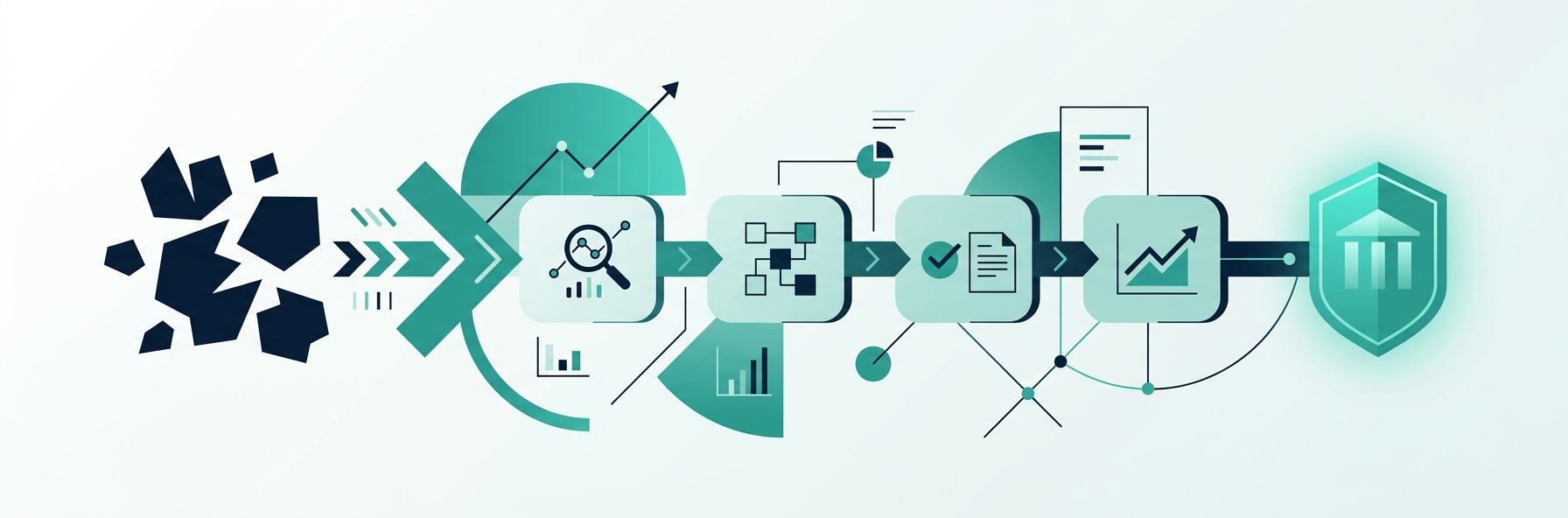
Start with the free 5-Step Credit Blueprint
Before you read on: the free Blueprint shows you how to read your report, document inaccuracies, and prepare an organized dispute. Educational guide only — no deletions or score changes are promised.
Get the Free BlueprintCharge-Off Removal: A Step-by-Step Guide to Understanding and Addressing Negative Entries
Finding a "charge-off" on your credit report can be a disheartening discovery, signaling a significant setback in your financial journey. A charge-off occurs when a creditor, after a period of non-payment, gives up on collecting the debt and writes it off as a loss. While this doesn't absolve you of the debt, it does create a severe negative mark on your credit history, significantly impacting your credit score and financial opportunities. Understanding the implications of a charge-off and knowing what steps you can take toward charge-off removal is crucial for anyone looking to repair their credit and regain financial stability.
📘 Free Resource
Not sure what's hurting your credit profile?
Download the free Credit Blueprint and learn the key areas to review before applying for funding.
Get the Free Blueprint →This comprehensive guide is designed to educate you on the intricacies of charge-offs, explain their impact, and outline a step-by-step approach to addressing them. While specific results are never guaranteed, these strategies are designed to empower you with the knowledge to navigate this challenging situation effectively and work towards a healthier credit profile.
What Exactly Is a Charge-Off and How Does It Affect Your Credit?
Before diving into specific strategies, it's important to have a clear understanding of what a charge-off entails. When you fail to make payments on an account for an extended period—typically between 120 and 180 days past due—the original creditor usually "charges off" the debt. This action marks the account as uncollectible on their books and on your credit report.
The Immediate Impact on Your FICO Score
A charge-off is one of the most damaging entries that can appear on your credit report. It can cause a substantial drop in your FICO score, often by 50 to 100 points or more, depending on your credit history and score before the charge-off. This significant reduction makes it challenging to qualify for new loans, credit cards, mortgages, or even rental agreements, and it can lead to higher interest rates on any credit you do obtain.
Long-Term Repercussions of a Charged-Off Account
A charged-off account can remain on your credit report for up to seven years from the date of the first missed payment that led to the charge-off. Even after a charge-off, the debt itself doesn't disappear. The creditor may sell the debt to a third-party collection agency, which will then attempt to collect from you. This can result in two negative entries on your credit report: the original charge-off and the collection account, further compounding the damage.
Step-by-Step Guide to Charge-Off Removal Strategies
Addressing a charge-off requires a strategic approach. While it's a challenging endeavor, understanding your options and executing them diligently can lead to positive outcomes for your credit.
Step 1: Obtain and Review Your Credit Reports Thoroughly
The foundation of any successful credit repair effort, including charge-off removal, is an accurate and complete understanding of what's on your credit reports. You are legally entitled to a free copy of your credit report from each of the three major bureaus (Equifax, Experian, and TransUnion) once every 12 months.
- Access Your Reports: Visit AnnualCreditReport.com to obtain your reports. This is the only official, free source authorized by federal law.
- Identify the Charge-Offs: Carefully review each report for any charged-off accounts. Note the creditor's name, account number, the date of the charge-off, the amount, and the "date of first delinquency." The date of first delinquency is crucial because it determines how long the charge-off can legally remain on your report.
- Check for Inaccuracies: Look for any discrepancies, errors, or outdated information related to the charge-off. Even minor inaccuracies can be grounds for dispute.
Step 2: Understand the "Date of First Delinquency"
The Fair Credit Reporting Act (FCRA) dictates that most negative information, including charge-offs, can remain on your credit report for up to seven years from the date of first delinquency (DOFD). This date is the most critical piece of information for understanding when the item should naturally fall off your report. It's important to note that the DOFD does not reset if the debt is sold to a collection agency.
Step 3: Dispute Inaccurate Information with Credit Bureaus
If you find any inaccuracies related to the charge-off, disputing them with the credit bureaus is your first line of attack. This is a fundamental credit repair strategy.
- Gather Documentation: Collect any evidence you have that supports your claim of inaccuracy.
- Write a Dispute Letter: Clearly state the inaccurate information, why you believe it's incorrect, and what correction you're seeking. Include copies (never originals) of your supporting documents.
- Send Certified Mail: Send your dispute letter via certified mail with a return receipt requested. This provides a paper trail that proves the bureaus received your dispute.
- Monitor Response: The credit bureaus typically have 30-45 days to investigate your dispute. If they cannot verify the information, they must remove it.
Expert Tip: Focus on disputing information that deviates from the original account details, such as incorrect dates, balances, or even wrong account numbers. Any unverified information can serve as a basis for removal.
Step 4: Negotiate with the Original Creditor or Collection Agency
If the information on your credit report is accurate, direct negotiation becomes your primary strategy. You may be dealing with the original creditor or a third-party collection agency that purchased the debt.
Option A: Pay for Delete
A "pay for delete" agreement is often considered the ideal outcome for charge-off removal. This is an agreement where you offer to pay the creditor or collection agency all or part of the charged-off debt in exchange for them agreeing to remove the negative entry from your credit report.
- Approach with Caution: Many creditors and collectors are hesitant to agree to pay for delete, as technically, they are not obligated to do so once the debt has been charged off.
- Get it in Writing: If they agree, insist on getting the agreement in writing before making any payment. A verbal agreement is not legally binding and offers no protection.
- Negotiate the Amount: You may be able to negotiate to pay less than the full amount of the debt.
Option B: Settling the Debt
If a pay-for-delete is not possible, settling the debt is the next best option. While settling the debt won't remove the charge-off from your credit report, it will update the account status to "paid charge-off" or "settled for less than full amount." This is still a vast improvement over an unpaid charge-off and demonstrates your commitment to resolving your obligations, which can positively influence future lenders.
- Negotiate a Lower Amount: Collection agencies often buy debts for pennies on the dollar, giving them significant room to negotiate.
- Agree on Terms: Once a settlement amount is agreed upon, get all terms in writing before making any payment.
- Make Payment: Once payment is made according to the agreement, regularly check your credit report to ensure the status is updated correctly.
Step 5: Understand the Statute of Limitations and "Zombie Debts"
It's vital to understand the statute of limitations for debt collection in your state. This is the legal time limit within which a creditor or collector can sue you to collect a debt. If the statute of limitations has passed, a collector cannot legally sue you, although they may still attempt to collect.
- Time Limits Vary: The statute of limitations typically ranges from 3-6 years, depending on your state and the type of debt.
- Activating Old Debts: Be cautious about making payments on very old debts, especially if the statute of limitations has passed. In some states, making a payment can "re-age" the debt, restarting the clock on the statute of limitations and potentially opening you up to a lawsuit.
🎯 Quick Check
Not sure where your credit stands?
Take our free 2-minute Credit Readiness Quiz and get personalized next steps.
Take the Quiz →Beyond Charge-Off Removal: Strategies to Increase Credit Score
While addressing a charge-off is critical, it's just one piece of the puzzle for improving your financial health and working to increase credit score. Holistic credit repair involves establishing consistent positive behaviors.
Focus on Payment History
Payment history is the most significant factor in your FICO score, accounting for 35%. Make all future payments on time, every time, across all your accounts. This demonstrates reliability to lenders.
Manage Credit Utilization
Credit utilization is the second most important factor (30%). This refers to the amount of credit you're using compared to your total available credit. Aim to keep your utilization below 30% on revolving accounts, and ideally, below 10% for the best scores.
Avoid New Debt
While working to repair your credit, generally avoid taking on new debt unless absolutely necessary. Each new hard inquiry can slightly lower your score, and new debt increases your total obligations.
Consider Secured Credit Cards or Credit Builder Loans
If you have severely damaged credit, a secured credit card or a credit builder loan can be excellent tools to re-establish positive payment history and rebuild your credit profile over time. These accounts require a deposit or are designed to help you save, making them lower risk for lenders.
Special Considerations: Student Loan Credit Impact
Student loans, whether federal or private, have a unique student loan credit impact when they go into default and subsequently get charged off. Federal student loans, for instance, don't typically undergo a "charge-off" in the same way as other consumer debts. Instead, they move into "default" after an extended period of non-payment, usually 270 days. Defaulting on a federal student loan carries severe consequences, including wage garnishment, tax refund offset, and social security benefit offset, in addition to significant credit damage.
- Rehabilitation: For federal student loans, rehabilitation is a key strategy. This involves making a certain number of voluntary, on-time payments, after which the default status is removed from your credit report. It's often a "one-time" opportunity.
- Consolidation: Consolidating your federal student loans can also remove the default status, by combining eligible loans into a new Direct Consolidation Loan.
- Private Student Loans: Private student loans operate more like traditional consumer debts. If they go unpaid, they can be charged off and sold to collections, similar to credit cards or personal loans. The strategies discussed for charge-off removal, such as "pay for delete" or settlement, might be applicable here, though always subject to negotiation with the lender or collection agency.
Understanding these distinctions is crucial, as the appropriate steps for addressing defaulted student loans differ significantly from other charged-off debts. Always verify the type of student loan you have and the specific options available for resolving default or charge-off status.
Key Takeaways for Charge-Off Removal
Navigating charge-offs requires diligence, patience, and a clear understanding of your rights and options. While immediate removal is not always possible, implementing these educational strategies can significantly improve your credit standing over time.
- Review Everything: Regularly check your credit reports for accuracy and identify any charge-offs.
- Dispute Inaccuracies: Leverage the FCRA to dispute any incorrect information related to charged-off accounts.
- Negotiate Strategically: Explore "pay for delete" agreements as an ideal, though often challenging, outcome. If not, settling the debt is the next best step. Always get agreements in writing.
- Understand DOFD: Know the "date of first delinquency" to anticipate when a charge-off should naturally fall off your report.
- Rebuild Consistently: Focus on establishing a strong payment history and managing credit utilization to incrementally increase credit score.
- Student Loan Specifics: Be aware of the unique rules and rehabilitation options for defaulted student loans.
Remember, credit repair is a marathon, not a sprint. By applying these educational insights and maintaining consistent financial discipline, you can mitigate the impact of charge-offs and pave the way for a stronger, more positive credit future.
📘 Free Resource
Not sure what's hurting your credit profile?
Download the free Credit Blueprint and learn the key areas to review before applying for funding.
Get the Free Blueprint →Educational content only. This article is for general credit education and is not legal, financial, or tax advice. Outcomes vary based on individual circumstances. We do not guarantee removals, deletions, or specific score increases. Read our editorial policy.
Get the Free Credit Repair Blueprint
Our step-by-step system covers dispute scripts, utilization hacks, and the exact playbook to reach 700+.
Download Free BlueprintWhat's Your Next Move?
Whether you're just starting or ready to accelerate, we have the right resource for you.
Recommended Next Steps
Choose the path that fits your credit goals.
Free Credit Repair Blueprint
Step-by-step system to dispute errors, optimize utilization, and reach 700+.
Download FreeBook a Free Strategy Call
Get a personalized credit roadmap from our team — no obligation.
Book CallThe 700 Score System™ Course
Our flagship program with video lessons, templates, and live support.
View CourseReady to Take Charge of Your Credit?
An educational, step-by-step guide to help you review collections and charge-offs, understand your score factors, and prepare your profile for future financial goals.